



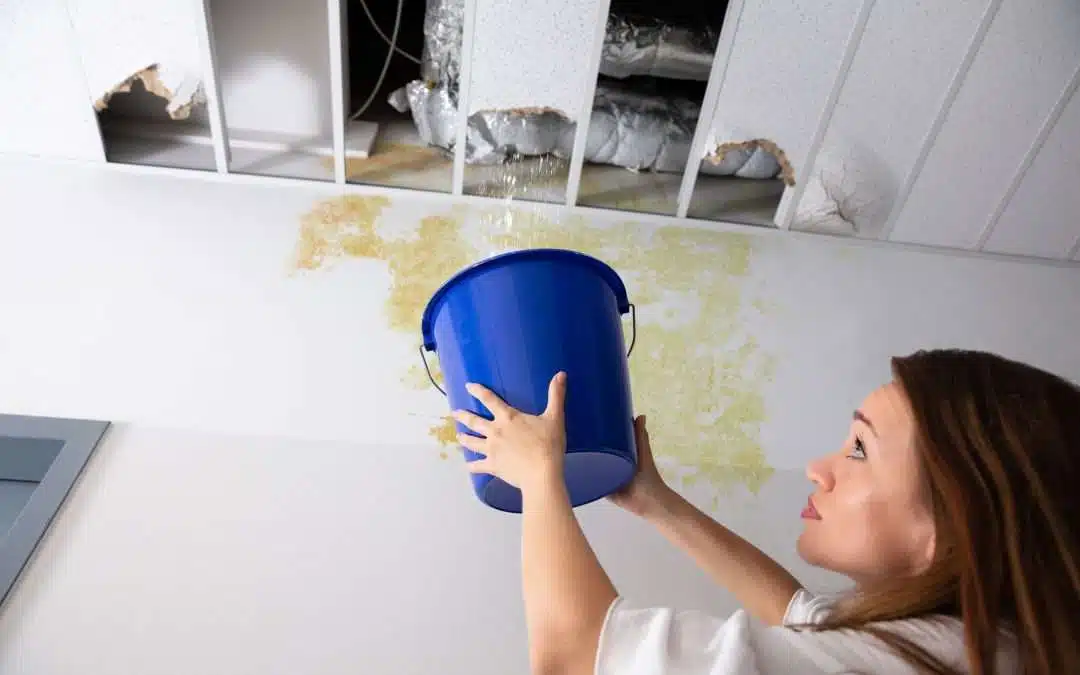
Water damage is a serious problem for commercial buildings. It can lead to business disruption, financial loss, and health risks. Effective water restoration will help mitigate these effects and quickly restore normalcy. This article explores some of the most important considerations when it comes to water restoration on commercial properties. It will help property managers and business owners navigate this complex process.
Comprehending Water Contamination Levels
Water damage can be divided into three different types depending on the contamination level:
- Clean Water: Water flowing from a pure source, such as a broken water pipe or an overflowing basin. While less dangerous, action must be taken immediately to avoid further damage.
- Gray Water category: Water from sources that could contain contaminants. Examples include a washing machine spill or a toilet flushed with urine. Ingestion of gray water can lead to illness.
- Black Water: Water with high levels of contamination, such as floodwaters or sewage backups. There is a major health danger here. Thus, significant cleaning and expert care are needed.
Determining the level of contamination is crucial to determining the right restoration approach and safety measures.
Safety Precautions
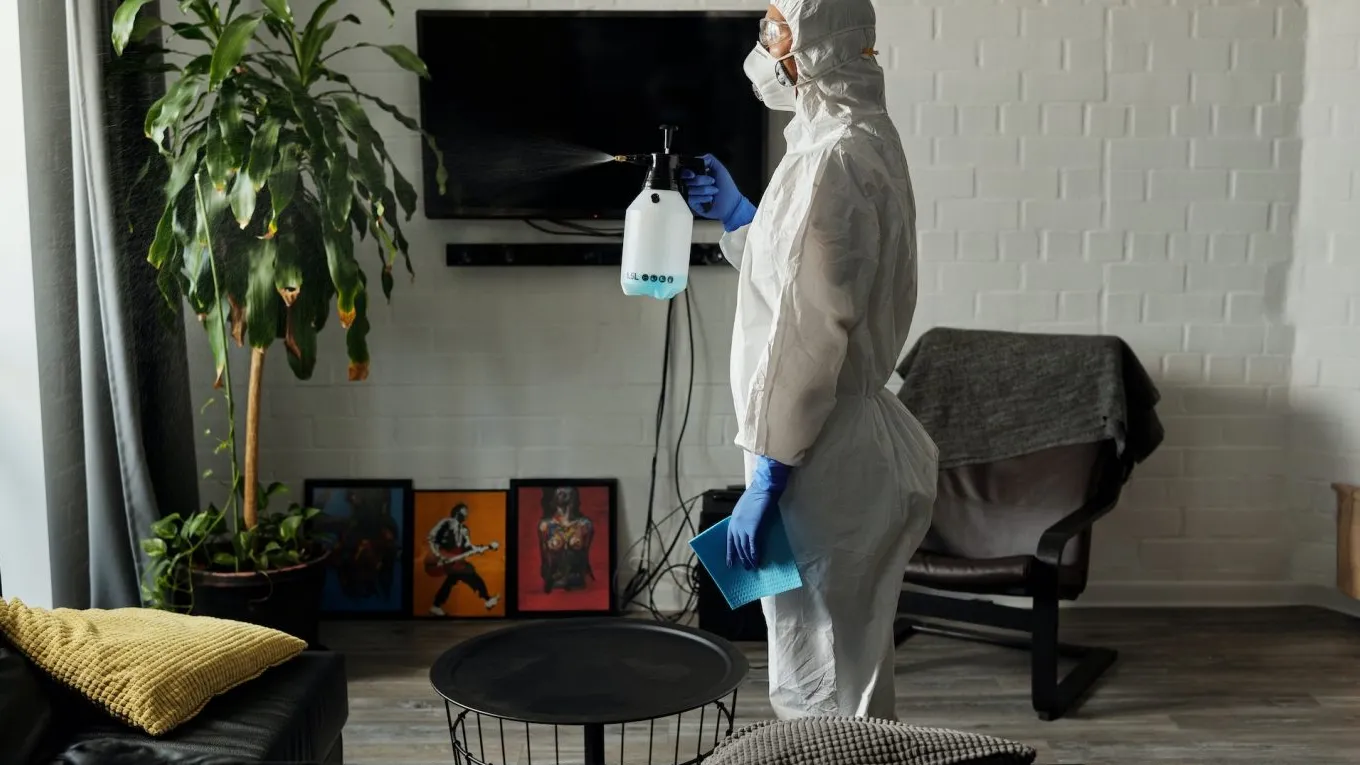
Securing the safety of all occupants of the building is paramount in the water restoration service process. To avoid exposure to contaminants, the restoration crew should wear protective equipment. It may sometimes be necessary to evacuate a building until the hazardous situations are resolved.
Water Extraction And Dried
To minimize damage and speed up the restoration procedure, it is crucial that water be extracted efficiently. Professional restoration uses industrial-grade pump and vacuum systems to remove standing waters quickly. After water removal, thorough drying will prevent mould and structural damage. Air movers and high-capacity humidifiers are used to dry out all affected areas. This includes walls, floors, and hidden space.
Mold Prevention And Remediation
Within 24 to 48 hours of coming into contact with water, mould may start to develop. This makes it an important concern in the water restoration process. Mold spores may spread quickly, leading to health concerns and property damage. Restoration professionals conduct mould assessments and implement remediation plans to eradicate mould. This involves cleaning and sterilizing surfaces, removing contaminants, and using an air scrubber to enhance air quality.
Repairing And Restoring Structural Integrity
Water damage could compromise the structural integrity. It’s important to assess and fix any structural components damaged by water, such as walls and floors. Restoration professionals and contractors work together to repair and rebuild structures damaged by water. This will ensure the property’s safety and restore it to its pre-damage conditions.
Documenting Damage For Insurance Claims
The documentation required to make an insurance claim is critical. This will also help you receive compensation from the insurer for your restoration costs. This process is often assisted by restoration companies who provide detailed reports, photographs and estimates of damage. Record all communications and submit claims according to the insurance company’s rules.
Business Continuity Planning
Water damage to business operations can be devastating, resulting in revenue and productivity losses. By implementing a business recovery plan, you can minimize downtime. This plan needs to include emergency contact details, backup operations locations and a communication system that will keep employees and customers up-to-date.
Preventative Measures
Preventative measures can minimize the risk of water damage in the future. Leak prevention requires frequent plumbing system maintenance, roof inspections, and the use of appropriate drainage techniques. Water detection devices, automatic shutoff valves, and roof inspections are all essential to prevent leaks and water intrusion.
Choose The Right Restoration Partner
The selection of a reliable water restoration company will be critical to ensuring an efficient and effective restoration. Choose a restoration company with experience, certified technicians, positive customer reviews, and experience in commercial property. From the first examination to the final repairs, a trustworthy restoration partner will provide full service. This will guarantee a stress-free, easy procedure.
Conclusion
In order to minimise disruptions and meet the unique challenges, commercial property owners and managers must take a strategic approach. Understanding the key factors and working with experienced professionals will allow business owners to effectively restore and re-establish their property. The proactive planning of preventative measures and the use of prevention can help to protect commercial buildings from further water damage.
You will get the best result if you hire a water restoration company in Atlanta that has experience with commercial properties. In the event of a disaster involving water, you may safeguard your assets and expedite recovery by selecting the appropriate partner.