




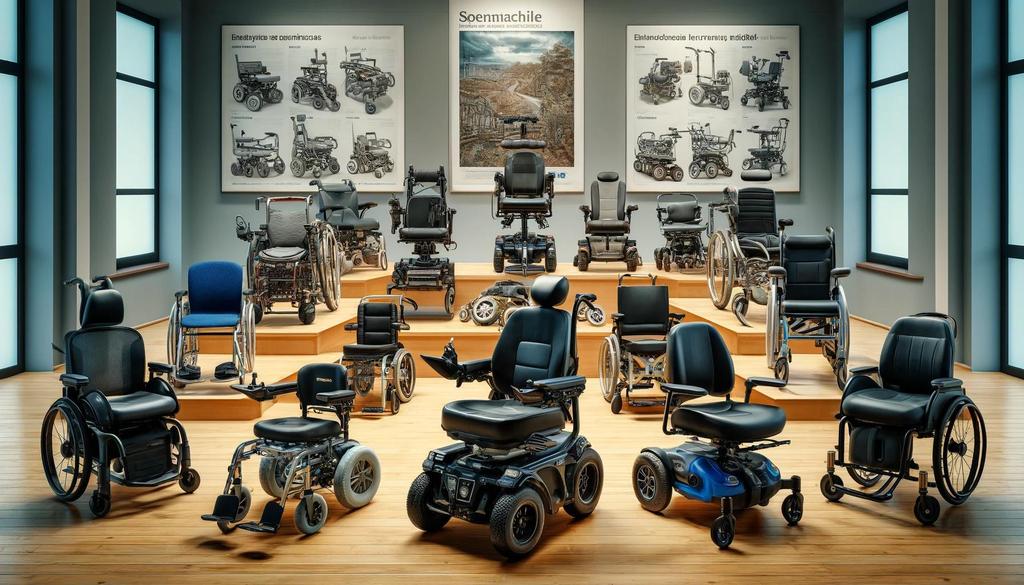
Personal mobility plays an important role in maintaining independence, confidence, and quality of life. For individuals experiencing mobility challenges, everyday activities such as shopping, visiting friends, or moving around the house can sometimes become difficult. Fortunately, advancements in assistive technology are creating practical solutions that help people maintain greater control over their daily routines.
The modern electric wheelchair has evolved significantly, offering improved comfort, convenient controls, lightweight construction, and reliable performance. These developments are helping individuals with limited mobility participate more actively in everyday life while reducing their dependence on physical assistance.
Modern Technology Is Transforming Personal Mobility
Traditional wheelchairs often require considerable physical effort or assistance from another person. Powered mobility solutions address these challenges by introducing motorized movement controlled through user-friendly systems.
Modern electric wheelchairs commonly feature responsive joystick controls, adjustable speed settings, and efficient battery systems. These technologies allow users to navigate indoor environments and suitable outdoor surfaces with greater convenience.
Some advanced models also incorporate electromagnetic braking systems, anti-tip features, and improved suspension designs. Together, these features can contribute to smoother movement and greater stability when the wheelchair is operated according to its specifications.
The emphasis is increasingly shifting toward practical usability, ensuring that mobility equipment supports individual lifestyles rather than creating additional complications.
Lightweight Designs Make Everyday Travel Easier
One of the most significant developments in powered mobility technology is the introduction of lightweight and foldable wheelchair designs. Earlier powered wheelchairs were often bulky, making transportation and storage challenging for users and caregivers.
Today, manufacturers increasingly use materials such as aluminum alloys and carbon fiber to reduce overall weight while maintaining structural strength. Foldable frames also make certain models more convenient for storage in homes and transportation in suitable vehicles.
For example, ELFIGO offers lightweight folding mobility solutions designed around portability and everyday convenience. Its Australian electric wheelchair range includes models with compact folding mechanisms and removable batteries, allowing users to explore options suited to their transportation requirements.
These innovations can be particularly valuable for individuals who regularly travel with family members, attend appointments, or enjoy community activities.
Greater Comfort Supports Longer Daily Use
Comfort is essential when selecting mobility equipment, particularly for individuals who spend extended periods seated. Poor seating support can contribute to discomfort and make daily activities more tiring.
Modern powered wheelchairs may include cushioned seating, supportive backrests, adjustable armrests, and adaptable footrests. Depending on the model, these features can help users maintain a more comfortable seated position throughout their daily routines.
Wheelchair dimensions are equally important. Appropriate seat width, depth, and positioning should be considered alongside the user’s physical requirements.
For individuals with complex seating needs, professional assessment by an occupational therapist or qualified mobility specialist can help identify suitable equipment and adjustments.
Battery Improvements Encourage Independent Movement
Battery technology has become another important area of development in powered mobility equipment. Rechargeable lithium batteries are commonly used in lightweight models because they offer a practical combination of energy storage and portability.
Depending on the wheelchair, battery capacity, terrain, user weight, and driving conditions, operating range can vary considerably. Users should therefore consider their typical travel distances before selecting a particular model.
Removable batteries can also simplify charging arrangements, particularly when users prefer charging their batteries indoors without moving the entire wheelchair.
Regular charging, appropriate storage, and manufacturer-recommended maintenance help support dependable battery performance.
Supporting Social Participation and Active Lifestyles
Personal freedom extends beyond movement within the home. Being able to participate in social activities, attend community events, and spend time outdoors can contribute significantly to emotional well-being.
Powered wheelchairs may help individuals visit shopping centers, explore accessible recreational spaces, and maintain connections with family and friends.
In Australia, accessibility considerations also influence wheelchair selection. Users should evaluate footpath conditions, building access, public transportation requirements, and the surfaces they expect to encounter regularly.
Choosing equipment suited to these environments can make everyday journeys more manageable and encourage greater participation in community life.
Conclusion
Advanced electric wheelchair technology continues to create meaningful opportunities for individuals seeking greater independence and mobility. Improvements in lightweight construction, seating comfort, battery efficiency, and intuitive controls are making powered mobility solutions increasingly practical for everyday use.
Selecting the right wheelchair involves understanding individual requirements, evaluating available features, and considering the environments in which it will be used. With an appropriate mobility solution, individuals can experience greater confidence, maintain active routines, and enjoy more freedom in their daily lives.


