





Many English learners search for other ways to say have fun with your friends when they want to express good wishes in a more natural and varied way. In Indonesian, the phrase selamat bersenang-senang is commonly used to encourage someone to enjoy themselves during an activity, event, trip, or gathering. In English, the most direct translation is usually “have fun.”
This simple phrase is widely used when saying goodbye to someone who is about to attend a party, concert, vacation, social gathering, or any enjoyable activity. Because it sounds friendly and positive, it remains one of the most common expressions in everyday English.
How “Have Fun” Is Used In Daily Conversation
“Have fun” is one of the easiest English expressions to learn because it is short, natural, and suitable for many situations.
For example:
- Have fun at the concert.
- Have fun at the beach.
- Have fun with your classmates.
- Have fun on your trip.
- Have fun during the holiday.
Teachers often use this phrase before school breaks, while friends commonly say it before social events, vacations, or weekend activities.
Native English speakers use this expression frequently because it conveys encouragement and positive wishes in a simple way.
Other Ways To Say Have Fun With Your Friends
Learning other ways to say have fun with your friends can make your conversations sound more natural and less repetitive.
Some popular alternatives include:
- Enjoy yourself.
- Have a great time.
- Hope you enjoy it.
- Have an amazing day.
- Make the most of it.
- Enjoy the experience.
- Have a wonderful time.
- Hope you have a blast.
- Enjoy every moment.
- Have an unforgettable time.
These alternatives all communicate a similar message while adding variety to your vocabulary.
For example:
Instead of saying:
- “Have fun at the party.”
You could say:
- “Have a great time at the party.”
- “Enjoy yourself at the party.”
- “Hope you have a blast at the party.”
Using different expressions helps conversations feel more engaging and natural.
Using These Expressions On Social Media
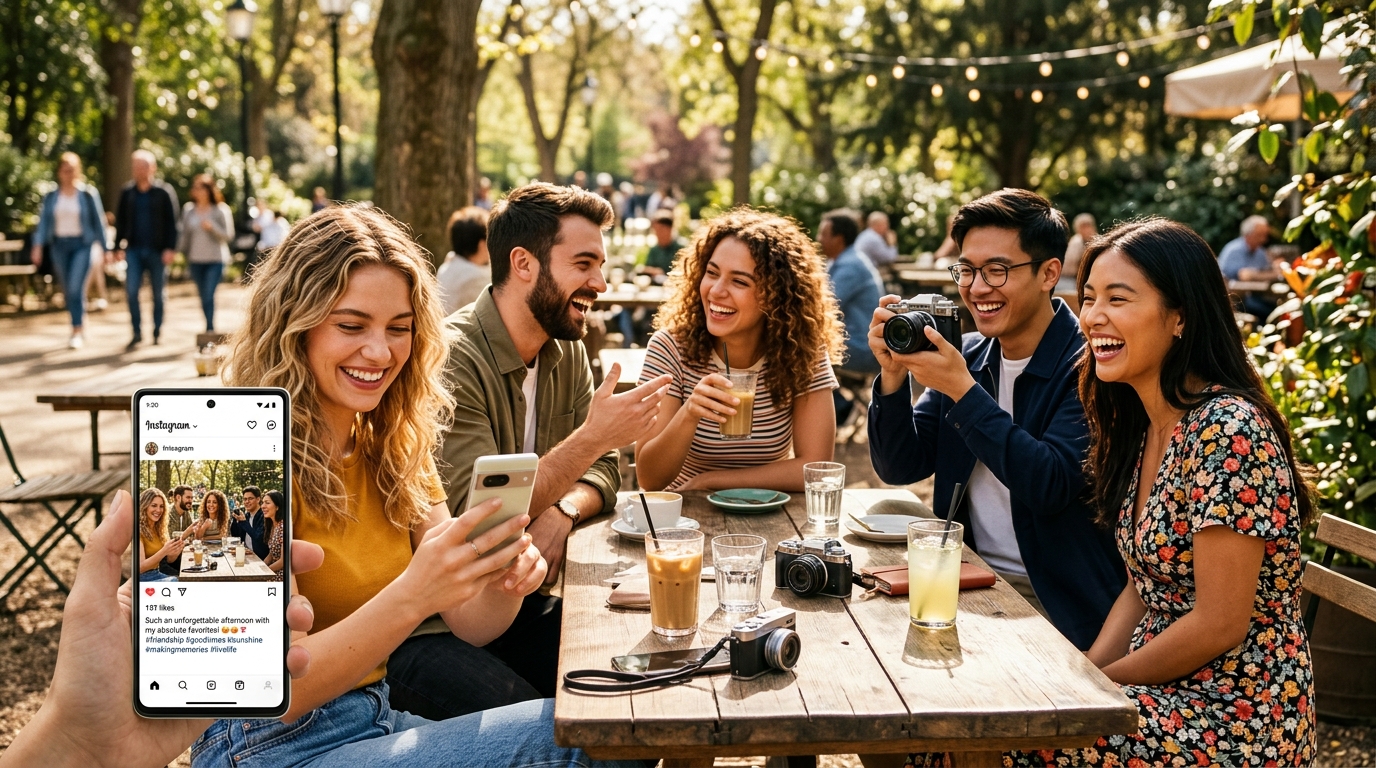
Social media has encouraged many people to use English expressions in captions, comments, and posts.
Popular examples include:
- “Weekend vibes. Have fun and enjoy life.”
- “Life is better when you smile and have a great time.”
- “Enjoy every moment of your adventure.”
- “Hope you have a blast today.”
These captions are simple, positive, and easy for international audiences to understand.
Many young people enjoy mixing English phrases into their social media content because it feels modern and relatable.
Why These Expressions Are So Popular
One reason people search for English alternatives is because English is widely used in:
- Social media
- Entertainment
- Travel
- Education
- Online communication
Simple phrases such as “have fun” are easy to remember and useful in many real-life situations.
Movies, television shows, music, and online content expose learners to these expressions regularly. Hearing them repeatedly helps people become more comfortable using them naturally.
Short expressions also build confidence for English learners because they are practical and easy to apply in everyday conversations.
Formal And Informal Alternatives
The phrase “have fun” works well in both casual and semi-formal situations.
Informal Examples
- Have fun!
- Enjoy yourself!
- Have a blast!
- Have an awesome time!
More Formal Examples
- Have a wonderful time during your vacation.
- I hope you enjoy the event.
- Wishing you an enjoyable experience.
- Enjoy your time at the conference.
Understanding the difference between casual and formal alternatives helps learners communicate appropriately in different situations.
Why Learning Alternative Expressions Matters
Expanding your vocabulary allows you to express similar ideas in different ways. Instead of repeating the same phrase, you can choose expressions that match the situation and sound more natural.
Learning alternatives also improves:
- Speaking skills
- Writing skills
- Conversation confidence
- Listening comprehension
- Overall fluency
Even small expressions can make a noticeable difference in how naturally you communicate in English.
Conclusion
Learning other ways to say have fun with your friends can make your English conversations more natural, friendly, and versatile. While “have fun” remains the most common expression, alternatives such as “enjoy yourself,” “have a great time,” and “hope you have a blast” provide useful variety.
Whether you are speaking with friends, writing social media captions, or wishing someone well before an event, these expressions help communicate positivity and encouragement. The more you use them, the more confident and natural your English will become.