



Model railroading has long been a hobby that combines creativity, engineering, and storytelling. Among the many brands that enthusiasts enjoy, Lionel model trains hold a special place due to their detailed craftsmanship, durability, and rich history in the world of toy railroads. For hobbyists, building a realistic train layout is more than simply placing tracks on a table. It involves thoughtful planning, artistic design, and an understanding of how real railroads operate. When these elements come together, Lionel model trains can transform a simple setup into a miniature world that feels alive and authentic.
The Concept Of A Realistic Layout
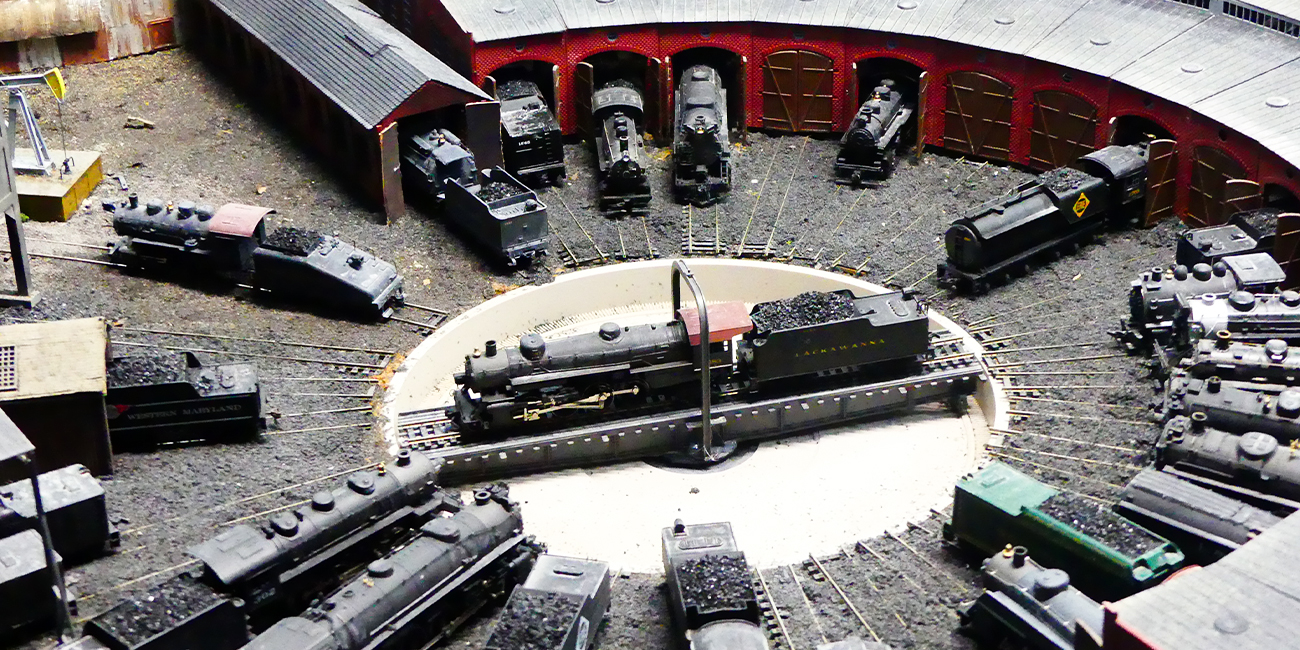
A realistic layout aims to replicate the look and operation of a real railway environment. This includes natural landscapes, accurate track placement, and structures that reflect actual towns, stations, and industrial areas. When using Lionel model trains, hobbyists often focus on recreating scenes that resemble historical railroads, busy freight routes, or peaceful countryside lines.
The realism comes from how the different elements blend together. Tracks should curve naturally rather than forming sharp, unnatural turns. Buildings should fit the theme of the layout, whether it is a rural farming community or a bustling urban rail yard. Attention to these details helps make the miniature railway feel like a believable environment rather than a toy display.
Planning The Layout Before Construction
Successful layouts start with careful planning. Before laying any track, hobbyists usually sketch their design on paper or use digital layout planning tools. This step allows them to decide where stations, bridges, tunnels, and landscapes will appear.
Planning also helps determine how Lionel model trains will move through the layout. A good design includes a variety of track features such as loops, sidings, and switching areas. These features allow trains to stop, change direction, and simulate real railroad operations. When the layout is carefully planned, it becomes easier to avoid overcrowding and maintain a balanced visual design.
Creating Natural Landscapes
One of the most exciting parts of building a realistic layout is crafting the surrounding scenery. Landscapes provide the environment that makes Lionel model trains look like they are traveling through real terrain. Hills, mountains, rivers, and forests can all be created using foam boards, plaster cloth, or lightweight scenery materials.
Color and texture play an important role in this process. Grass, soil, and gravel should vary in shade and appearance to mimic natural ground surfaces. Trees can be arranged in clusters rather than evenly spaced to create a more realistic forest effect. Small details such as rocks, fences, and pathways help complete the illusion of a miniature landscape.
Water features can also add depth to the scene. Lakes, rivers, and ponds created with clear resin or water effect products give the layout a sense of realism and movement.
Adding Buildings And Structures
Structures are essential for telling the story of the railway. Stations, warehouses, factories, and houses bring life to the layout and provide context for the trains passing through. When selecting buildings, hobbyists often choose structures that match the time period or region they want to represent.
For example, a layout based on early twentieth-century railroads might include small wooden stations and rural farms. A modern themed layout might feature industrial complexes, city skylines, and busy freight terminals. Lionel model trains look even more impressive when they travel through environments filled with carefully placed buildings and infrastructure.
Lighting can further enhance these structures. Small LED lights inside buildings create the appearance of activity and make the layout visually appealing, especially in dim lighting conditions.
Detailing The Scene With Small Elements
The most significant impact on the creation of realism is frequently the slightest details. Figures of people, vehicles, streetlights, and animals can turn a basic layout into a lively scene. These details add scale and movement, helping viewers imagine what daily life might look like in the miniature world.
Railroad-specific details are also important. Signal towers, crossing gates, telegraph poles, and trackside equipment make Lionel model trains appear as though they are operating on a real railway network. Weathering techniques can also be used to add realism by giving tracks, buildings, and freight cars a slightly worn appearance.
Balancing Realism With Creativity
While realism is a major goal for many hobbyists, creativity should never be limited. Some layouts combine realistic elements with imaginative themes such as holiday villages, mountain adventures, or historical recreations. Lionel model trains are versatile enough to support both realistic and artistic approaches.
Many enthusiasts continue to improve their layouts over time. Adding new scenery, updating structures, and experimenting with different track arrangements keep the hobby engaging and rewarding.
Conclusion
Building a realistic layout with Lionel model trains is a process that blends planning, creativity, and craftsmanship. From designing the track system to shaping landscapes and placing detailed structures, each step contributes to creating a miniature railway that captures the charm of real railroads. With patience and attention to detail, hobbyists can transform a simple train set into a vibrant world where trains travel through lifelike environments. The result is not only a beautiful display but also a deeply satisfying hobby that continues to inspire train enthusiasts of all ages.